
A Homeowner's Comprehensive Guide to Drain Clog Removers: Essential Insights for Effective Solutions
Release time:
2026-07-06
A Homeowner's Comprehensive Guide to Drain Clog Removers: Essential Insights for Effective Solutions Table of Contents Understanding Drain Clogs: Causes and Consequences Types of Drain Clog Removers: A Comprehensive Overview Chemical vs. Natural Remedies: Which is Best for Your Home? How to Use Drain Cleaners Safely and Effectively Preventive Measures for Drain Maintenance: Ke
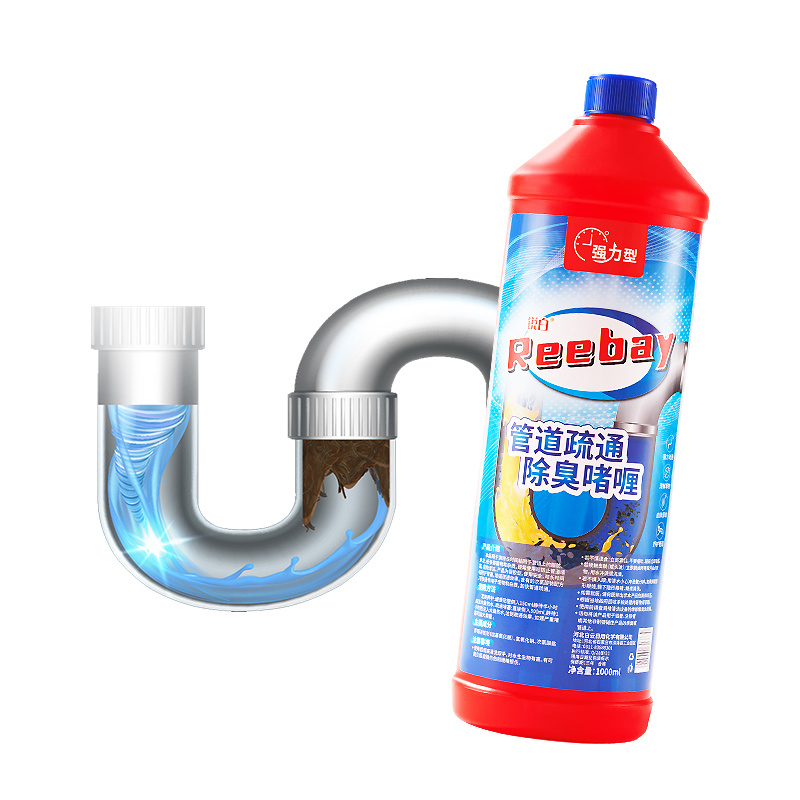
A Homeowner's Comprehensive Guide to Drain Clog Removers: Essential Insights for Effective Solutions
Table of Contents
- Understanding Drain Clogs: Causes and Consequences
- Types of Drain Clog Removers: A Comprehensive Overview
- Chemical vs. Natural Remedies: Which is Best for Your Home?
- How to Use Drain Cleaners Safely and Effectively
- Preventive Measures for Drain Maintenance: Keeping Clogs at Bay
- When to Call a Professional Plumber: Knowing Your Limits
- Top Recommended Drain Clog Removers: Our Expert Picks
- Frequently Asked Questions About Drain Clog Removers
Understanding Drain Clogs: Causes and Consequences
Clogged drains can be a homeowner's nightmare, leading to frustrating backups and potential damage to plumbing systems. Understanding the primary causes of drain clogs is crucial for effective prevention and remediation.
**Common Causes of Drain Clogs** include:
- **Hair Accumulation**: Long strands can easily tangle and form blockages in shower and bathroom sinks.
- **Food Waste**: In kitchen sinks, grease, oil, and leftover food scraps can build up and create stubborn clogs.
- **Soap Scum**: Soap residue can combine with minerals found in water, leading to hard deposits that slowly obstruct pipes.
- **Foreign Objects**: Items such as toys, dental floss, or cotton swabs can inadvertently end up down drains and cause significant issues.
**Consequences of Ignoring Clogs** may involve:
- Water damage due to overflowing sinks or toilets.
- Unpleasant odors emanating from stagnant water.
- Increased repair bills if issues worsen over time.
Recognizing early signs of a clog—such as slow drainage, gurgling sounds, or unpleasant smells—can save homeowners time and money in the long run.
Types of Drain Clog Removers: A Comprehensive Overview
Homeowners have a plethora of options when it comes to selecting a drain clog remover. These products can broadly be categorized into three main types: **chemical drain cleaners**, **enzymatic cleaners**, and **natural remedies**.
Chemical Drain Cleaners
Chemical drain cleaners are popular due to their effectiveness and speed. They typically contain powerful substances like sodium hydroxide or sulfuric acid that break down clogs efficiently.
**Pros**:
- Fast-acting results, often visible within minutes.
- Effective on tough clogs.
**Cons**:
- Potentially hazardous to health and the environment.
- May damage pipes if used excessively or improperly.
Enzymatic Cleaners
Enzymatic drain cleaners utilize natural enzymes and bacteria to digest organic materials that cause clogs.
**Pros**:
- Environmentally friendly and safe for all types of plumbing.
- Preventative maintenance that can keep drains clear over time.
**Cons**:
- Slower action compared to chemical cleaners.
- May require repeated applications for best results.
Natural Remedies
For those who prefer a DIY approach, natural remedies like baking soda and vinegar can be effective alternatives.
**Pros**:
- Safe and non-toxic.
- Inexpensive and readily available.
**Cons**:
- May not be as effective on severe clogs.
- Requires a bit of time and effort for the best results.
Chemical vs. Natural Remedies: Which is Best for Your Home?
Choosing between chemical and natural remedies largely depends on the severity of the clog and personal preferences regarding environmental impact and safety.
**When to Use Chemical Cleaners**: If you are dealing with a severe blockage that causes significant drainage issues, a chemical cleaner may be the most effective option—provided you follow safety guidelines.
**When to Opt for Natural Remedies**: For minor clogs and ongoing maintenance, natural solutions can be just as effective and much safer for your plumbing system and the environment.
Ultimately, a combination of both methods is often beneficial, targeting clogs as they arise while maintaining preventative measures.
How to Use Drain Cleaners Safely and Effectively
Safety should be a priority when using drain cleaners. Here are key steps to follow:
Step 1: Read the Instructions
Always begin by reading the label and instructions provided with the product. This ensures you know the appropriate amount to use and any precautions you need to take.
Step 2: Wear Protective Gear
To protect your skin and eyes, wear gloves and safety goggles. This is especially important when using chemical cleaners.
Step 3: Ensure Proper Ventilation
Open windows or turn on exhaust fans to ensure good ventilation while using chemical products.
Step 4: Follow Dosage Guidelines
Measure the appropriate amount as per the instructions and pour it directly into the drain. Avoid pouring large quantities, which can lead to waste and potential damage.
Step 5: Allow Proper Time for Action
Let the cleaner sit for the recommended time before flushing with hot water. This maximizes its effectiveness.
Step 6: Flush and Monitor
After using the cleaner, flush the drain with hot water. Monitor for any lingering issues, and if problems persist, consider calling a professional.
Preventive Measures for Drain Maintenance: Keeping Clogs at Bay
Maintaining clear drains is much easier than dealing with the aftermath of a clog. Here are some preventive measures homeowners can take:
Regular Cleaning
Perform regular cleaning by flushing drains with hot water and vinegar every month. This helps dissolve buildup and prevents clogs.
Use Drain Screens
Install drain screens in sinks and tubs to catch hair and food particles before they can enter the pipes.
Avoid Pouring Grease Down the Drain
Dispose of grease and oil in a disposal container rather than pouring them down the sink to prevent build-up.
Be Mindful of What Goes Down the Drain
Educate family members about what should and shouldn’t go down the drain. Items like wipes, cotton balls, and dental floss can cause significant blockages.
Professional Inspections
Schedule periodic plumbing inspections by a professional to identify potential issues before they escalate into serious problems.
When to Call a Professional Plumber: Knowing Your Limits
While many clogs can be handled with DIY methods, some situations call for professional expertise. Here are signs that it’s time to call in a plumber:
- **Frequent Clogs**: If you’re constantly dealing with clogs despite regular maintenance.
- **Multiple Drain Issues**: When several drains in your home are slow or backed up at the same time, it can indicate a larger plumbing issue.
- **Unpleasant Odors**: Lingering foul smells can signal a serious clog or plumbing leak that needs immediate attention.
- **Gurgling Noises**: Sounds coming from your drains that weren’t there before may indicate a problem.
Calling a professional can save you time, money, and hassle, ensuring that your drains are resolved effectively.
Top Recommended Drain Clog Removers: Our Expert Picks
Here are some highly recommended drain clog removers that homeowners can rely on:
1. Drano Max Gel
This powerful chemical cleaner is well-known for its effectiveness in clearing tough clogs. It clings to the clog to break it down rapidly.
2. Bio-Clean Drain Septic Bacteria
For those seeking an eco-friendly option, Bio-Clean uses natural bacteria and enzymes to break down organic waste, making it an excellent preventative solution.
3. Green Gobbler Drain Clog Remover
This enzymatic cleaner is safe and effective, providing a great alternative to harsh chemicals while still delivering results.
4. Zep Heavy-Duty Drain Cleaner
Ideal for industrial-strength jobs, Zep is an excellent choice for severe blockages that require a robust solution.
5. Baking Soda and Vinegar
For the DIY enthusiasts, a simple mixture of baking soda and vinegar can effectively clear minor clogs and keep drains fresh.
Frequently Asked Questions About Drain Clog Removers
1. How often should I clean my drains?
Regular maintenance is recommended monthly, while deeper cleaning can be done every three to six months.
2. Are chemical drain cleaners safe for all plumbing systems?
No, chemical cleaners can be harsh on older pipes. Always check if your plumbing can handle these products.
3. What should I do if a clog persists after using a drain cleaner?
If clogs continue, consider using an alternative cleaner or calling a professional plumber.
4. Can I use drain cleaners in septic systems?
Not all drain cleaners are safe for septic systems. Always check the label to ensure compatibility.
5. Are natural remedies effective against tough clogs?
Natural remedies can be effective against minor clogs but may not work on severe blockages.
Conclusion
Dealing with drain clogs can be a significant inconvenience for any homeowner. However, understanding the types of drain clog removers available, knowing how to use them safely, and implementing preventive measures can make a world of difference. Whether you choose chemical solutions, natural remedies, or a combination of both, taking proactive steps ensures your plumbing remains clear and functional. Should issues persist, don’t hesitate to seek professional assistance. With these insights, you can tackle clogs confidently and maintain a smoothly flowing home.
SEO:

YOU CAN EMAIL US

Stella

Alan

Johny

Alice

Aurora
Gengzhuang Industrial Park, Shenze County, Shijiazhuang, Hebei, China
PLEASE TELL US WHAT YOU NEED
Our engineers will contact you within 12 hours and provide free proposal and quotation.