
Clogged Drains No More: Top Tips for Choosing the Right Drain Clog Remover
Release time:
2026-05-07
Clogged Drains No More: Top Tips for Choosing the Right Drain Clog Remover Clogged drains can be a homeowner's worst nightmare. Whether it’s the kitchen sink, bathroom, or shower, a blockage can disrupt daily routines and lead to costly repairs if not addressed promptly. To help you tackle this common issue effectively, we’ve compiled a guide filled with insights and practical advice on how to cho
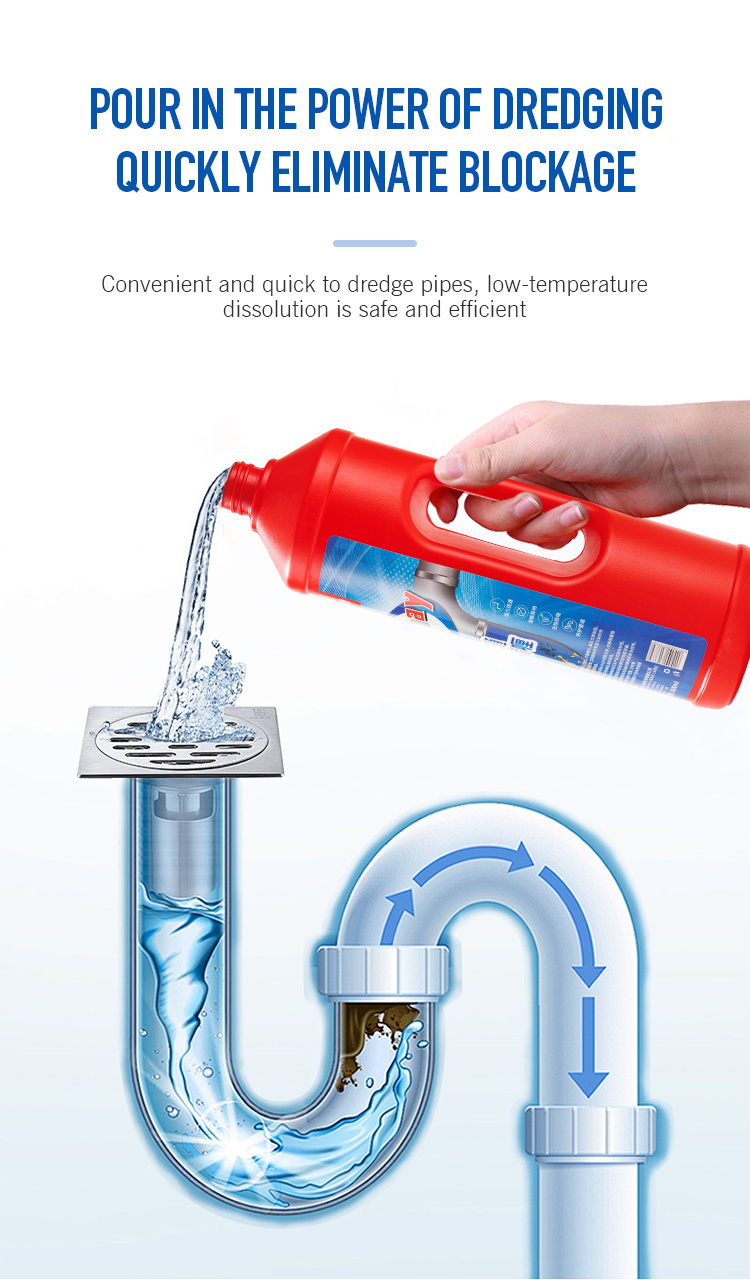
Clogged Drains No More: Top Tips for Choosing the Right Drain Clog Remover
Clogged drains can be a homeowner's worst nightmare. Whether it’s the kitchen sink, bathroom, or shower, a blockage can disrupt daily routines and lead to costly repairs if not addressed promptly. To help you tackle this common issue effectively, we’ve compiled a guide filled with insights and practical advice on how to choose the right drain clog remover. From understanding the types of clogs to exploring various removal methods, this article aims to equip you with the knowledge you need to keep your drains clear.
Table of Contents
- Understanding Drain Clogs
- Common Causes of Clogs
- Types of Drain Clog Removers
- Chemical Vs. Natural Remedies
- How to Choose the Right Product
- DIY Drain Cleaning Solutions
- Preventative Measures for Clogged Drains
- Frequently Asked Questions
Understanding Drain Clogs
Drain clogs occur when debris, grease, hair, or foreign objects accumulate in your plumbing system, hindering water flow. Understanding how clogs form is the first step in prevention and effective removal. When water cannot flow freely through the pipes, it often backs up, leading to slow drainage and eventually complete blockages.
Signs of a Clogged Drain
Recognizing the early signs of a clogged drain can save you from more significant problems later. Common indicators include:
- Slow drainage: Water takes longer to flow down the drain.
- Unpleasant odors: Foul smells emanating from the drain, indicating decomposing waste.
- Gurgling sounds: Unusual noises that occur when water is draining.
- Backed-up water: Water pooling around the drain or overflowing.
Common Causes of Clogs
Understanding the main causes of drain clogs can help you take preventative measures. Here are some of the most common culprits:
Kitchen Clogs
The kitchen is notorious for clogs, often caused by:
- Grease buildup: Oil and fat can solidify in pipes, creating blockages.
- Food particles: Small food scraps can accumulate and form clogs.
- Fibrous vegetables: Items like celery and potato peels can tangle and obstruct flow.
Bathroom Clogs
In bathrooms, common clogs are often due to:
- Hair: Strands can build up in the drain, especially in showers and sinks.
- Soap residue: Soap scum can combine with hair and form a thick sludge.
- Toiletries: Items such as wipes and cotton balls can easily cause blockages.
Types of Drain Clog Removers
Choosing the right drain clog remover can make a significant difference in resolving your plumbing issues. Here’s a breakdown of the different types available:
Chemical Drain Cleaners
Chemical drain cleaners are popular for their quick action. They typically contain powerful ingredients designed to dissolve clogs rapidly. While effective, they can be harsh on pipes and the environment.
Pros and Cons of Chemical Cleaners
Pros:
- Fast-acting and effective for tough clogs.
- Widely available and easy to use.
Cons:
- Can damage plumbing over time.
- Harmful to the environment and human health.
- May require repeated application for stubborn clogs.
Natural Drain Cleaners
For those seeking a safer alternative, natural drain cleaners utilize enzymes and bacteria to break down organic material. These products are often biodegradable and less harmful to pipes.
Pros and Cons of Natural Cleaners
Pros:
- Environmentally friendly and safe for plumbing.
- Less toxic compared to chemical alternatives.
Cons:
- May take longer to work than chemical cleaners.
- Effectiveness can vary based on the type of clog.
Chemical Vs. Natural Remedies
When it comes to drain unclogging, the choice between chemical and natural remedies often depends on personal preference, the severity of the clog, and environmental concerns. While chemical cleaners may provide quick relief, their potential for harm to pipes and the environment cannot be overlooked. Natural remedies, on the other hand, promote a safer approach but might require more time and effort.
How to Choose the Right Product
Selecting the right drain clog remover involves considering several factors:
Determine the Type of Clog
Your first step is to identify the nature of the clog. Is it caused by grease, hair, or foreign objects? Different products work better for different types of blockages.
Assess Pipe Material
Consider the type of plumbing you have. Some chemical cleaners can be harsh on older pipes, such as PVC or galvanized steel. Always check the product labels for compatibility.
Evaluate Environmental Impact
For environmentally-conscious consumers, choosing biodegradable and non-toxic options is essential. Many natural cleaners offer effective solutions without harming the environment.
Read Reviews and Recommendations
Before purchasing, take time to read reviews and seek recommendations from trusted sources. Product effectiveness can significantly vary, and personal experiences can guide you in making an informed choice.
DIY Drain Cleaning Solutions
If you prefer to avoid commercial products altogether, several DIY solutions can effectively unclog your drains:
Hot Water
Sometimes, simply pouring hot water down the drain can help break up minor clogs, especially those caused by grease. Be cautious not to use boiling water in PVC pipes, as it could cause damage.
Baking Soda and Vinegar
This classic combination works wonders for dissolving clogs. Pour half a cup of baking soda down the drain, followed by half a cup of vinegar. Let it fizz for about 30 minutes before flushing with hot water.
Salt and Baking Soda
Mix equal parts salt and baking soda, pour it down the drain, and follow with boiling water. This combination can help break down grease and build-up in pipes.
Preventative Measures for Clogged Drains
Keeping your drains clear is much easier than dealing with clogs after they occur. Implementing preventative measures can save you time and hassle:
Use Drain Guards
Install drain guards or strainers in sinks and tubs to catch hair, food particles, and other debris before they enter the plumbing system.
Regular Cleaning
Incorporate routine cleaning with vinegar or baking soda to maintain clear pipes. Regular maintenance can prevent build-up over time.
Avoid Flushing Foreign Objects
Educate family members about what should and shouldn’t be flushed down toilets. Items like wipes, feminine products, and even excessive toilet paper can lead to serious clogs.
Frequently Asked Questions
1. How often should I clean my drains?
It's advisable to clean your drains every few months to prevent buildup and clogs.
2. Are chemical drain cleaners safe for all pipes?
No, some chemical cleaners can damage older or fragile plumbing. Always check compatibility before use.
3. Can I use a plunger for all types of clogs?
A plunger is effective for many clogs, especially in toilets and sinks, but it may not work on solid blockages deeper in the plumbing.
4. What should I do if my drain is still clogged after using a remover?
If the clog persists, consider calling a professional plumber to assess the situation and provide a solution.
5. Are natural drain cleaners as effective as chemical ones?
Natural drain cleaners can be effective for many types of clogs, but may take longer to work compared to their chemical counterparts.
Conclusion
Dealing with clogged drains can be frustrating, but with the right knowledge and tools, you can effectively remove blockages and prevent future issues. By understanding the types of clogs, choosing the right products, and implementing preventative measures, you can maintain a smoothly functioning plumbing system. Whether you opt for a chemical solution, a natural remedy, or a DIY approach, we hope this guide helps you keep your drains clear and your home running efficiently. Remember, regular maintenance and awareness of what goes down your drains are key to a clog-free experience.
SEO:

YOU CAN EMAIL US

Stella

Alan

Johny

Alice

Aurora
Gengzhuang Industrial Park, Shenze County, Shijiazhuang, Hebei, China
PLEASE TELL US WHAT YOU NEED
Our engineers will contact you within 12 hours and provide free proposal and quotation.