
Easy Steps to Clear Drain Clogs with the Right Remover: A Comprehensive Guide
Release time:
2026-11-03
Easy Steps to Clear Drain Clogs with the Right Remover: A Comprehensive Guide Clogged drains can be a major inconvenience in any household. They disrupt daily activities, create unpleasant odors, and can even lead to more serious plumbing issues if left unchecked. Understanding how to effectively clear drain clogs using the correct removers can save you time, money, and frustration. This comprehen
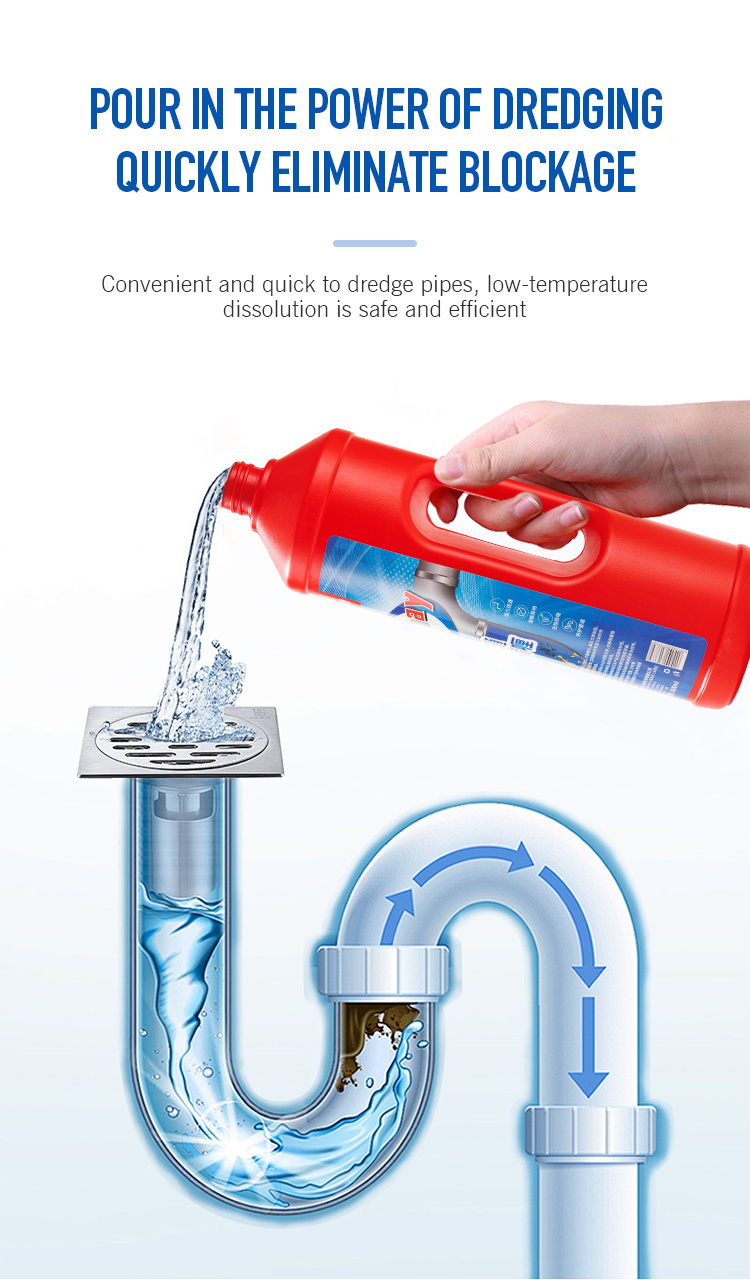
Easy Steps to Clear Drain Clogs with the Right Remover: A Comprehensive Guide
Clogged drains can be a major inconvenience in any household. They disrupt daily activities, create unpleasant odors, and can even lead to more serious plumbing issues if left unchecked. Understanding how to effectively clear drain clogs using the correct removers can save you time, money, and frustration. This comprehensive guide provides you with practical steps and solutions to tackle clogs efficiently and effectively.
Table of Contents
- Understanding Drain Clogs: Causes and Effects
- Common Types of Drain Clogs
- Essential Tools and Materials for Drain Clearing
- Step-by-Step Guide to Clear Drain Clogs
- When to Call a Professional Plumber
- Preventive Measures to Avoid Future Clogs
- Environmentally Friendly Drain Cleaning Solutions
- FAQs About Drain Clogs and Removers
Understanding Drain Clogs: Causes and Effects
Before diving into the methods for clearing drain clogs, it's crucial to understand what causes them and their potential effects on your plumbing system. Clogs occur when substances accumulate in the pipes, slowing or completely stopping the flow of water. Common causes include:
- Hair: A significant contributor to bathroom drain clogs, hair can bind with soap residues and create blockages.
- Grease and Food Particles: In kitchen drains, grease can solidify and trap food particles, leading to serious clogs.
- Soap Scum: Soap residues can build up in pipes, particularly in areas with hard water.
- Foreign Objects: Items such as toys, wipes, or sanitary products can easily get lodged in pipes.
The effects of drain clogs can range from minor inconveniences, such as slow drainage, to major plumbing issues, including leaks, pipe damage, and even flooding. Addressing clogs promptly is essential to avoid escalating costs and repairs.
Common Types of Drain Clogs
Different drains in your home can experience various types of clogs. Understanding these can help you determine the best removal method:
1. Bathroom Sink Clogs
Typically caused by hair and toothpaste residue, these clogs can be effectively removed using simple tools or basic homemade solutions.
2. Shower Drain Clogs
Shower drains often face similar issues due to hair and soap scum buildup. Regular maintenance can help prevent these clogs.
3. Kitchen Sink Clogs
Grease, food remnants, and soap can create stubborn clogs in kitchen sinks. These require a more specialized approach to remove effectively.
4. Toilet Clogs
Toilet clogs can be particularly problematic, often caused by excessive toilet paper usage or foreign objects. Specialized tools are usually necessary for effective removal.
Essential Tools and Materials for Drain Clearing
Having the right tools and materials on hand can make the process of clearing clogs much easier. Here’s a list of essentials you should consider:
- Plunger: A must-have for any household, plungers work well for unclogging toilets and sinks.
- Drain Snake: A flexible tool that can reach deep into pipes to break up or retrieve clogs.
- Baking Soda and Vinegar: These common household items can create an effective natural cleaning solution.
- Hot Water: Pouring hot water down the drain can help dissolve grease and soap scum.
- Commercial Drain Cleaners: While they can be effective, they should be used cautiously due to their chemical nature.
Step-by-Step Guide to Clear Drain Clogs
Now that we understand the causes and types of clogs, let’s delve into a detailed step-by-step guide to clearing them effectively.
Step 1: Assess the Situation
Begin by identifying the type of clog you are dealing with. Is it in the kitchen, bathroom, or toilet? Understanding the source of the clog can help you select the appropriate method for removal.
Step 2: Gather Your Tools
Collect the necessary tools and materials listed above. If you're using a commercial drain cleaner, ensure you follow the manufacturer's instructions carefully.
Step 3: Use a Plunger
For sinks and toilets, a plunger can be highly effective. Ensure there’s enough water in the basin to cover the plunger, and create a tight seal. Pump the plunger vigorously for about 15-20 seconds and then pull away to see if the clog has cleared.
Step 4: Employ a Drain Snake
If plunging doesn’t work, it’s time to use a drain snake. Insert the snake into the drain and turn the handle to break up the clog. Pull it out and see if it removes any debris.
Step 5: Try Baking Soda and Vinegar
As a natural alternative, pour half a cup of baking soda followed by half a cup of vinegar down the drain. Let it sit for 30 minutes before flushing with hot water. This method can help dissolve minor clogs.
Step 6: Pour Hot Water
If the clog is grease-based, pouring boiling water down the drain can help dissolve the blockage. Be cautious with plastic pipes, as extreme heat can cause damage.
Step 7: Use Commercial Drain Cleaner
If all else fails, consider using a commercial drain cleaner. Follow the instructions on the label and ensure proper ventilation, as these products can be hazardous.
Step 8: Final Check
After attempting the above methods, run water down the drain to see if it flows freely. If the clog persists, further action may be necessary.
When to Call a Professional Plumber
Not all clogs can be resolved with DIY methods. If you’ve tried multiple techniques and the clog remains, it’s advisable to call a professional plumber. Signs that you need professional help include:
- Frequent clogs in multiple drains.
- Unpleasant odors that persist after attempts to clear the drain.
- Visible damage to pipes.
- Water pooling around fixtures.
Preventive Measures to Avoid Future Clogs
Preventing drain clogs is always easier than clearing them. Here are some proactive measures to keep your drains clear:
- Regular Cleaning: Clean your drains regularly with hot water and natural cleaners.
- Use Drain Screens: Install screens over drains to catch hair and debris.
- Be Cautious with Food Waste: Avoid putting grease or large food particles down the kitchen sink.
- Educate Family Members: Ensure everyone knows what can and cannot be flushed down the toilet.
Environmentally Friendly Drain Cleaning Solutions
For those looking to minimize their environmental impact, consider these eco-friendly alternatives:
- Baking Soda and Vinegar: As mentioned earlier, this combination is not only effective but also safe for the environment.
- Salt and Baking Soda: Mixing these two can create a powerful natural cleaner.
- Enzyme-Based Cleaners: These cleaners use natural enzymes to break down organic material without harming your plumbing.
FAQs About Drain Clogs and Removers
1. How often should I clean my drains to prevent clogs?
We recommend cleaning your drains at least once every few months to prevent buildup.
2. Are commercial drain cleaners safe for all types of pipes?
No, some commercial cleaners can damage older or plastic pipes. Always check the label for compatibility.
3. Can I use a plunger on a toilet with a dual-flush system?
Yes, a plunger can be used on any toilet type, but ensure you have a good seal for effective suction.
4. What should I do if my drain smells bad?
A foul smell often indicates a clog or buildup. Try cleaning the drain with baking soda and vinegar, or consider calling a plumber.
5. What are signs of a serious plumbing issue?
If multiple drains are clogged, you hear gurgling sounds, or see water pooling around fixtures, it may indicate a more serious issue requiring professional intervention.
Conclusion
Clearing drain clogs doesn’t have to be a daunting task. By understanding the causes, recognizing the tools needed, and following our easy step-by-step guide, you can effectively tackle most clogs on your own. Remember to adopt preventive measures to keep your drains flowing smoothly and consider eco-friendly solutions for a sustainable approach. If all else fails, don’t hesitate to reach out to a professional plumber for assistance. A proactive approach will save you time and money while keeping your plumbing system in top shape.
SEO:

YOU CAN EMAIL US

Stella

Alan

Johny

Alice

Aurora
Gengzhuang Industrial Park, Shenze County, Shijiazhuang, Hebei, China
PLEASE TELL US WHAT YOU NEED
Our engineers will contact you within 12 hours and provide free proposal and quotation.