
Effective Tips for Reducing Pet Odors with Deodorizing Spray
Release time:
2026-07-30
Effective Tips for Reducing Pet Odors with Deodorizing Spray Pets bring joy and companionship into our lives, but they can also introduce unwanted odors into our homes. Whether it’s the lingering smell of wet fur, accidents on the carpet, or the general muskiness that comes with pet ownership, tackling these odors is essential for maintaining a fresh and welcoming environment. In this article, we
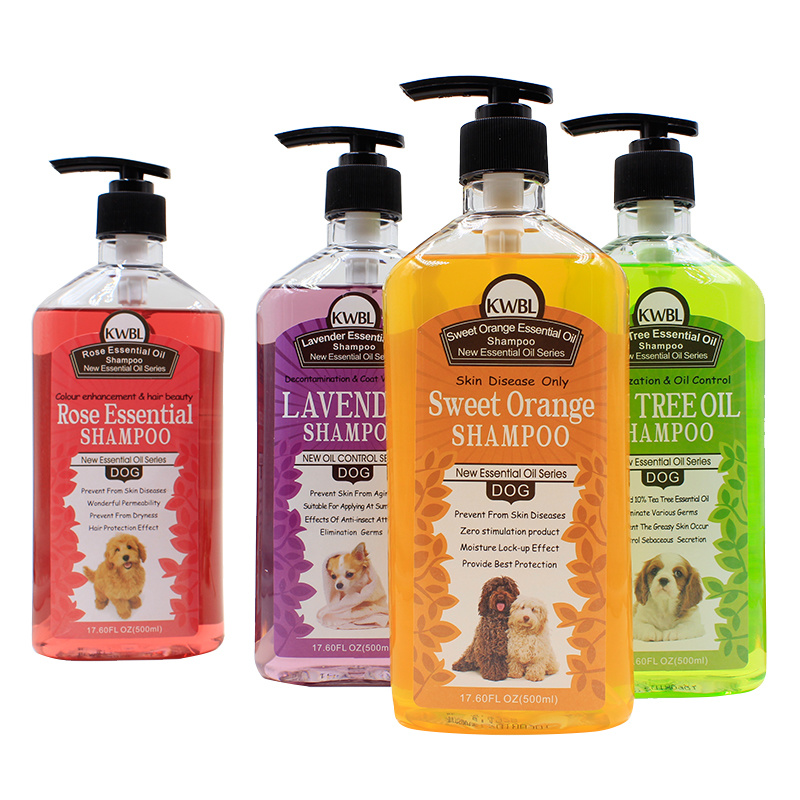
Effective Tips for Reducing Pet Odors with Deodorizing Spray
Pets bring joy and companionship into our lives, but they can also introduce unwanted odors into our homes. Whether it’s the lingering smell of wet fur, accidents on the carpet, or the general muskiness that comes with pet ownership, tackling these odors is essential for maintaining a fresh and welcoming environment. In this article, we will explore a variety of **effective tips** for reducing pet odors using deodorizing spray, as well as alternative methods that can enhance your home’s fragrance.
Understanding Pet Odors: The Root Causes
Before diving into solutions, it’s important to understand what causes pet odors. Common sources include:
1. Pet Urine and Feces
Accidents on carpets and floors can create persistent odors if not treated promptly. Pet urine contains ammonia, which has a strong smell that can linger long after the accident has occurred.
2. Wet Fur and Skin
After a bath or playing in the rain, wet fur can emit odors due to bacteria growth. Regular grooming can help mitigate this issue.
3. Dander and Hair
Shedding fur and dander contribute to overall pet smells. These particles can settle in your home, making it essential to maintain a clean living space.
4. Food and Waste
The type of food your pet eats can also contribute to odors. Additionally, leftover food or waste can lead to unpleasant smells if not cleaned up promptly.
The Role of Deodorizing Spray in Odor Management
Deodorizing sprays are a popular solution for combating pet odors. They work by neutralizing smells rather than masking them, making them an effective choice for pet owners. Here’s how to use deodorizing spray effectively in your home.
Choosing the Right Deodorizing Spray
When selecting a deodorizing spray, consider the following factors:
- **Ingredients**: Look for sprays that use natural ingredients, as these are often safer for pets and humans alike.
- **Fragrance**: Choose a scent that you enjoy, but avoid overly strong fragrances that may irritate your pet.
- **Application**: Some sprays are designed for specific surfaces, while others can be used throughout your home. Always read labels for proper usage.
How to Apply Deodorizing Spray
To maximize the effectiveness of your deodorizing spray:
1. **Clean First**: Before applying spray, ensure that the area is clean. Remove any solid waste and clean surfaces with appropriate cleaners.
2. **Test Surfaces**: Always test a small, inconspicuous area before applying the spray to larger surfaces to avoid any damage.
3. **Spray Evenly**: Hold the canister a few inches away from the surface and spray evenly.
4. **Ventilate**: After application, ensure the area is well-ventilated to help the spray disperse and dry effectively.
Additional Tips for Reducing Pet Odors
In addition to utilizing deodorizing sprays, there are several other strategies you can implement to keep your home smelling fresh.
Regular Cleaning Routines
Establishing a consistent cleaning routine is vital to minimizing odors:
- **Vacuum Frequently**: Regularly vacuum carpets, rugs, and upholstery to remove hair and dander.
- **Wash Fabrics**: Clean pet bedding, blankets, and any fabric items your pet frequently uses. Use a pet-safe detergent to avoid irritation.
Grooming and Bathing
Grooming plays a significant role in odor control:
- **Regular Baths**: Depending on your pet’s breed and activity level, schedule regular baths to keep their coat clean and reduce odors.
- **Brushing**: Daily brushing helps remove loose fur and dander, reducing the amount of hair in your home.
Natural Alternatives to Deodorizing Spray
If you prefer a more natural approach, consider these alternatives:
- **Baking Soda**: Sprinkle baking soda on carpets and upholstery, let it sit for a few hours, and then vacuum it up. This will absorb odors effectively.
- **Vinegar Solution**: Mix equal parts water and white vinegar in a spray bottle. Use this solution to clean surfaces and neutralize odors.
- **Essential Oils**: Add a few drops of pet-safe essential oils to your cleaning routine for a pleasant scent. Lavender and chamomile are calming and can help mask odors.
Creating a Fresh Environment for Your Pets
Maintaining a clean and odor-free home benefits both you and your pets. Here are some additional steps to create a fresh environment:
Proper Ventilation
Ensure that your home is well-ventilated. Open windows and use fans to circulate air, which can help disperse odors.
Air Purifiers
Investing in an air purifier can significantly improve air quality. Look for models specifically designed to eliminate pet odors and allergens.
Pet-Friendly Plants
Certain plants can help purify the air and provide a fresh scent. Consider adding pet-safe greenery, such as spider plants or Boston ferns.
FAQs About Reducing Pet Odors
1. How often should I use deodorizing spray on my pet?
It’s best to use deodorizing spray as needed, especially after baths or when you notice unpleasant odors. Always follow the manufacturer's instructions.
2. Can I use regular air fresheners around pets?
Many commercial air fresheners contain chemicals that may be harmful to pets. Always opt for pet-safe products or natural alternatives.
3. What is the best way to eliminate pet urine odors?
Clean up accidents immediately with an enzymatic cleaner that breaks down urine components. Following up with a deodorizing spray can help neutralize any lingering smells.
4. Are there any scents that repel pets?
Citrus scents and vinegar are often disliked by pets. However, always ensure that any products used are safe for your specific pet.
5. How can I prevent odors from accumulating in the first place?
Regular cleaning, grooming, and establishing a designated pet area can help minimize the accumulation of odors in your home.
Conclusion
Managing pet odors can be a challenge, but with the right strategies and products, it’s entirely achievable. By incorporating **deodorizing sprays**, maintaining a consistent cleaning routine, and exploring natural alternatives, you can create a fresh and inviting home for both you and your furry friends. Remember that a clean environment contributes not only to your comfort but also to the overall well-being of your pets. With these tips in hand, you’re well on your way to enjoying a home free from unpleasant pet odors.
SEO:

YOU CAN EMAIL US

Stella

Alan

Johny

Alice

Aurora
Gengzhuang Industrial Park, Shenze County, Shijiazhuang, Hebei, China
PLEASE TELL US WHAT YOU NEED
Our engineers will contact you within 12 hours and provide free proposal and quotation.